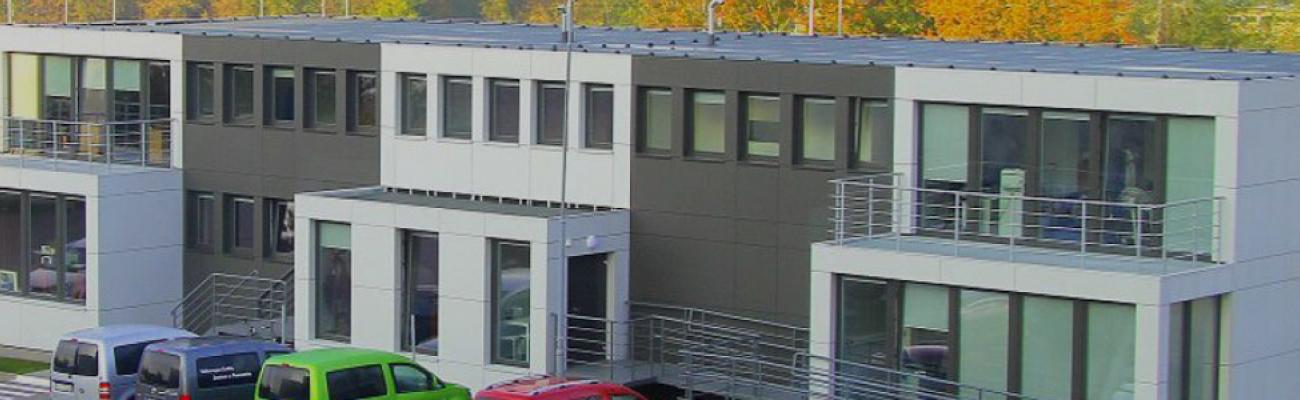
7 myths about modular construction
Modular construction is an innovative approach to design and building that is becoming increasingly popular these days. Despite its success and growth, various myths and misconceptions still surround it. In this article, we will dispel the seven most common myths about modular construction, presenting a true picture of this fascinating industry.
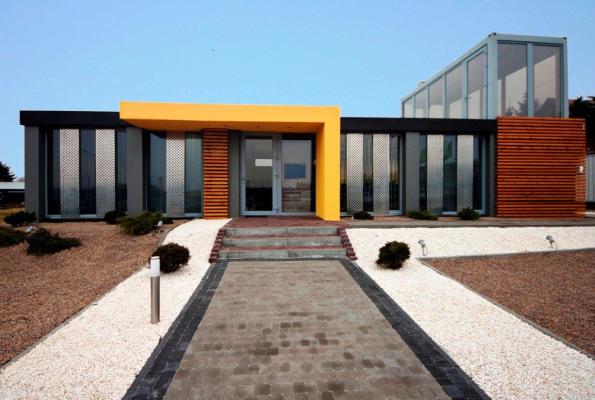
Myth 1: Modular buildings look generic
One of the most common myths is the belief that modular buildings are monotonous and aesthetically unappealing. In reality, however, modular buildings offer a very wide range of design possibilities. Thanks to the ability to dismantle walls, modular units can be combined to create any kind of space. It is possible to create buildings in practically any architectural style, including modern, minimalist, futuristic and industrial – a perfect example of this being the original structures erected, for instance, for concerts or cultural events.
Myth 2: Lower build quality than in traditional construction
Some people believe that modular buildings are of poorer quality than those built using traditional methods. In fact, modular containers are manufactured under controlled factory conditions, which allows for the application of rigorous quality standards. Furthermore, modular containers are made from high-quality, tried-and-tested materials.
Myth 3: Shorter lifespan
Among the myths, one often comes across the claim that modular buildings are less durable and will not last as long as traditional buildings. In reality, modules are made of steel – a robust material that ensures resistance to the elements, long-term durability and the possibility, for example, of easily extending a structure built from them. For this reason, container modules are used in both short- and long-term projects.
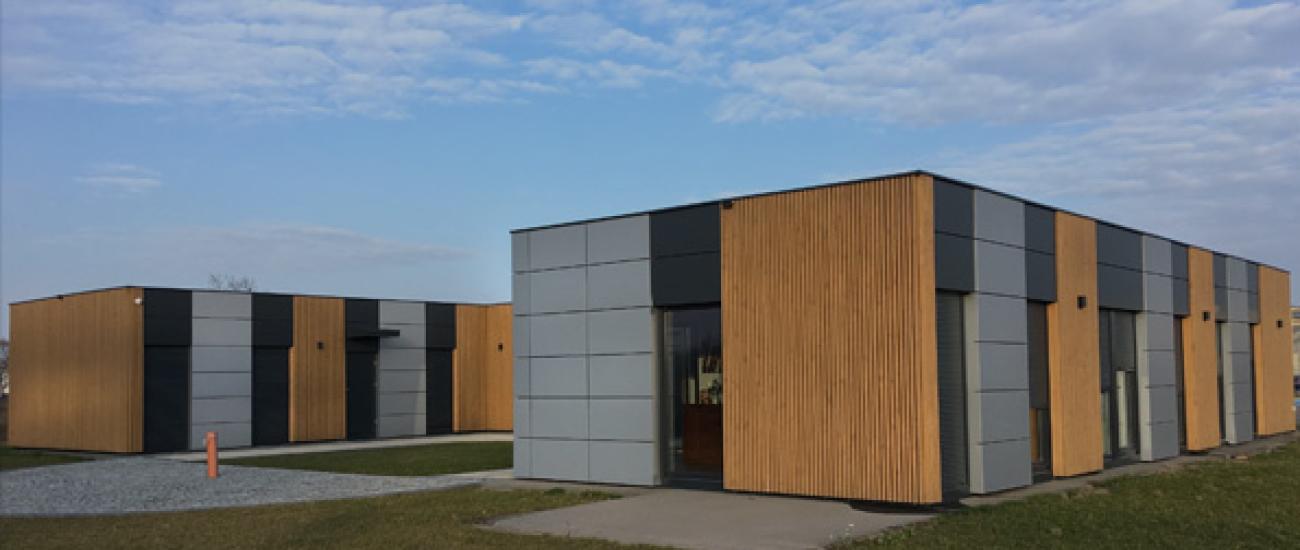
Myth 4: Higher costs
It is often thought that modular buildings are more expensive than traditional ones. Whilst the initial cost of purchasing the modules may be slightly higher, the savings resulting from a shorter construction time and reduced material consumption may ultimately offset this expense. Furthermore, many companies offer long-term hire of modular containers, which significantly reduces the one-off cost. Furthermore, by taking advantage of the 360 Service, Algeco’s customers can hire eco-friendly equipment such as: solar panels, LED lighting, motion detectors, time-release batteries and many other environmentally friendly and cost-effective solutions.
Myth 5: Longer construction time
Another commonly cited myth is the belief that modular buildings take longer to construct than traditional structures. In reality, the modular construction process is much faster, as much of the work is carried out simultaneously in the factory and on the building site. It takes just one day to erect a building with a floor area of 120 m². The reduction in construction time can be particularly attractive for projects with tight deadlines.
Myth 6: Lack of a range of sizes
Some people claim that modular buildings are only available in standard sizes, which limits their versatility. In fact, manufacturers offer modules in various sizes and even allow them to be customised to meet individual customer requirements. As a result, modular buildings can be used for a wide range of purposes, from small shops to large office complexes or large-scale staff facilities.
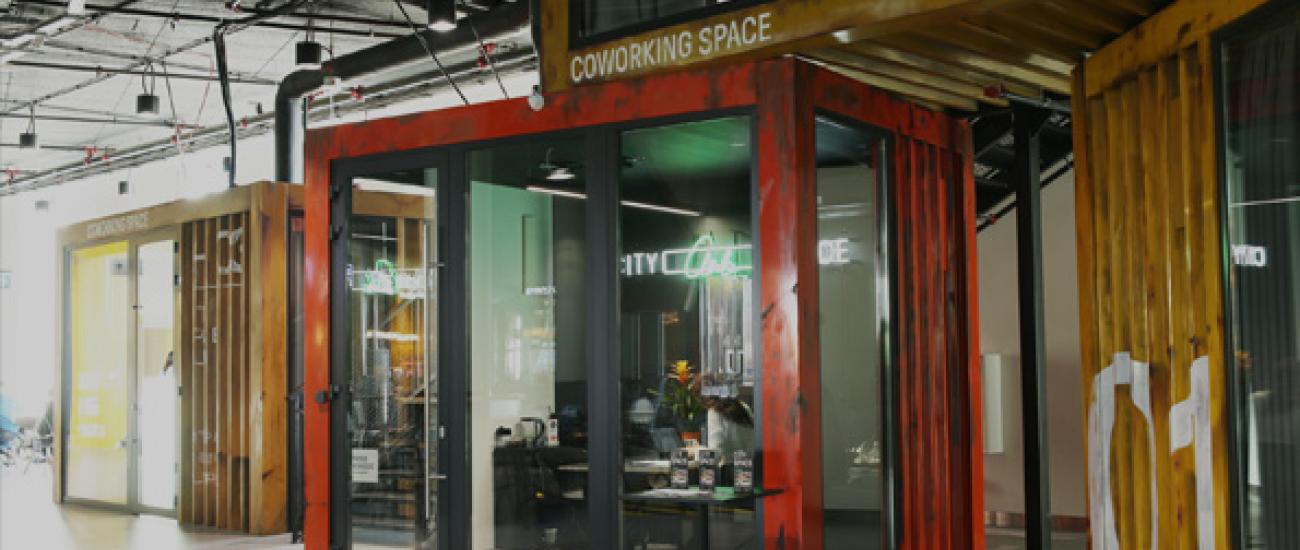
Myth 7: Lack of flexibility for future expansion
There is a misconception that once a modular building has been erected, it cannot subsequently be extended or altered. In reality, modular containers are designed with ease of modification and extension in mind. Thanks to their modular construction, adding new modules or altering the internal layout is a straightforward process. Modular buildings can be extended as required by adding another storey or attaching further containers side by side.
In summary, modular construction is an advanced and versatile method of creating modern buildings. Contrary to popular myths, it offers many advantages, such as visual diversity, high quality, durability, time and cost savings, as well as the possibility of easy expansion. It is worth considering this innovative approach to construction, which can meet a wide range of individual client needs and requirements.